Global Issue
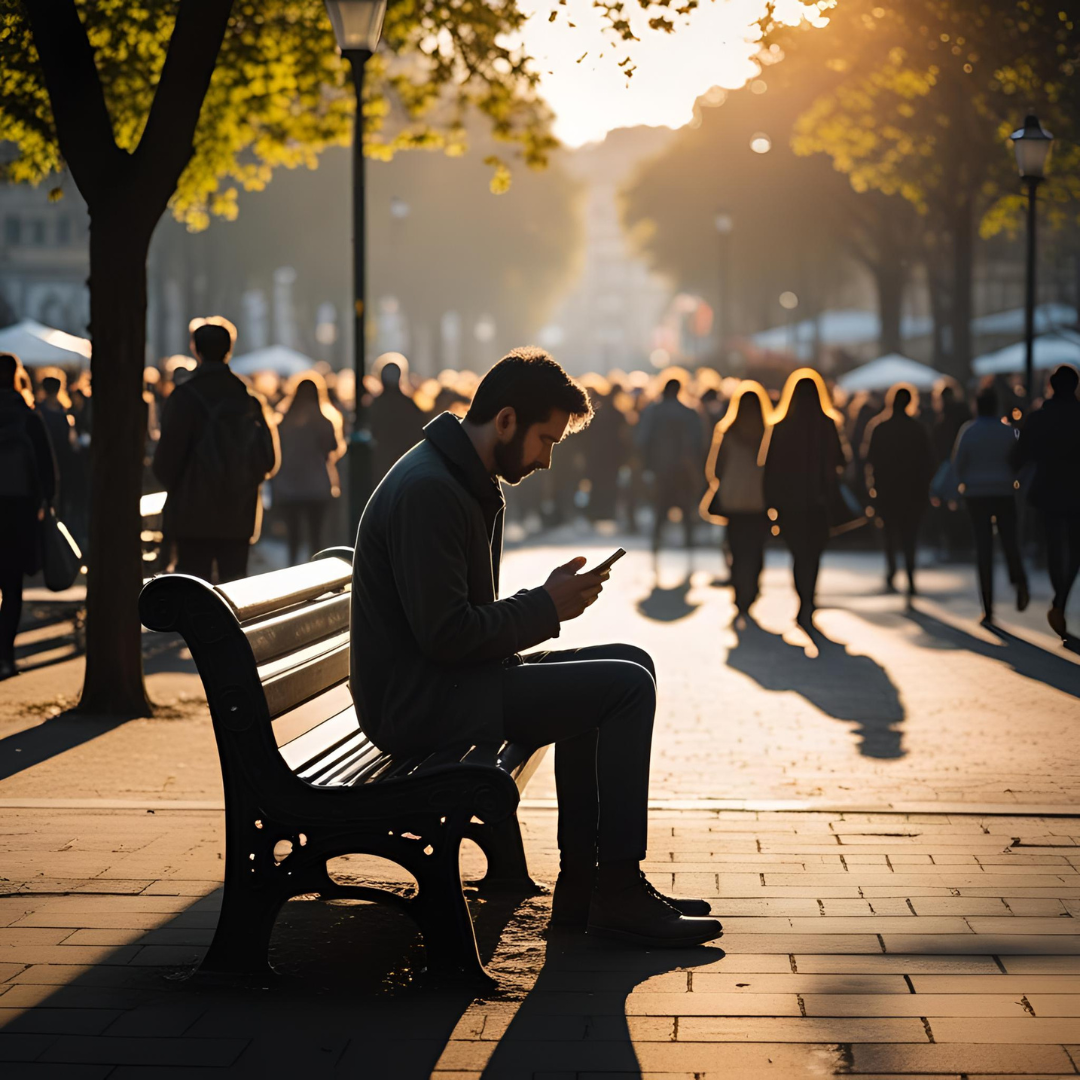
Despite increasing technological connectivity, we are experiencing a profound human disconnection.
This distance is fueled by communication that, instead of bringing people together, limits their ability to collaborate and act collectively.
Wor(l)ds of Humanity was created in response to the needs emerging from this era of global crises.
Regenerative solution
Our mission is to transform words into concrete actions.
By harnessing the power of language to foster authentic dialogue and share meaningful experiences, we generate a positive and regenerative impact within communities.
Wor(l)ds of Humanity makes global issues more accessible through initiatives such as workshops, events, and awareness campaigns.

the three key pillars
Awareness
Raising consciousness to understand global challenges.

Compassion
Sharing to foster empathy and human connection.

Positive action
Acting concretely to spread regenerative practices.
All the realities that support the project and help transform the community

It’s the year 2018. Facebook, the quintessential social media platform, is facing a terrible year due to the “Cambridge Analytica” scandal. Harry and Meghan celebrate their Royal Wedding despite royal differences and expectations. Twelve Thai boys are trapped in a cave — and, fortunately, they are rescued. Trump and Kim move from nuclear threats to a handshake of peace. Silvia Romano is kidnapped in Kenya. In Europe, the first populist government takes office, and Brexit negotiations continue. Aretha Franklin, the Queen of Soul, passes away.
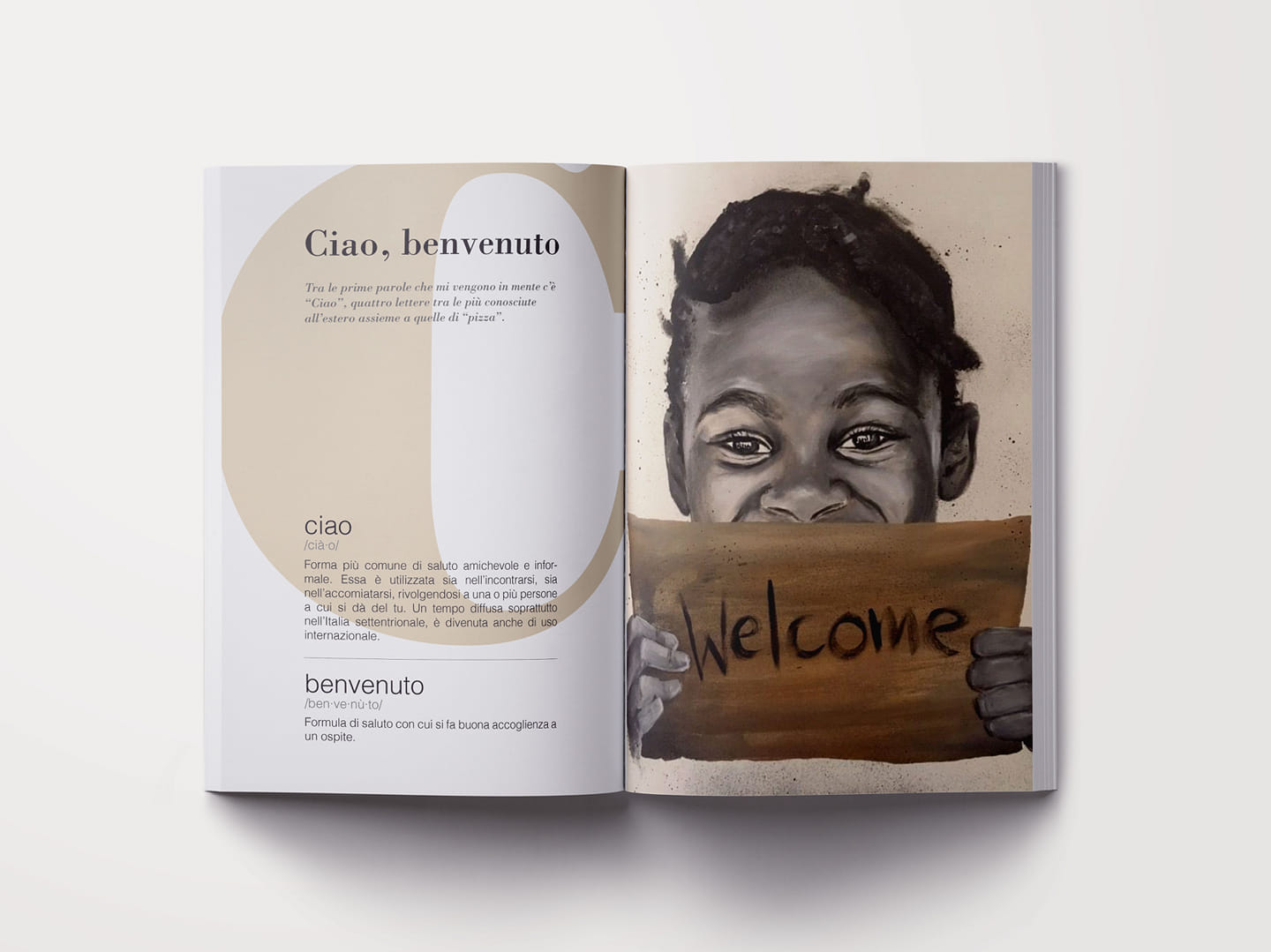
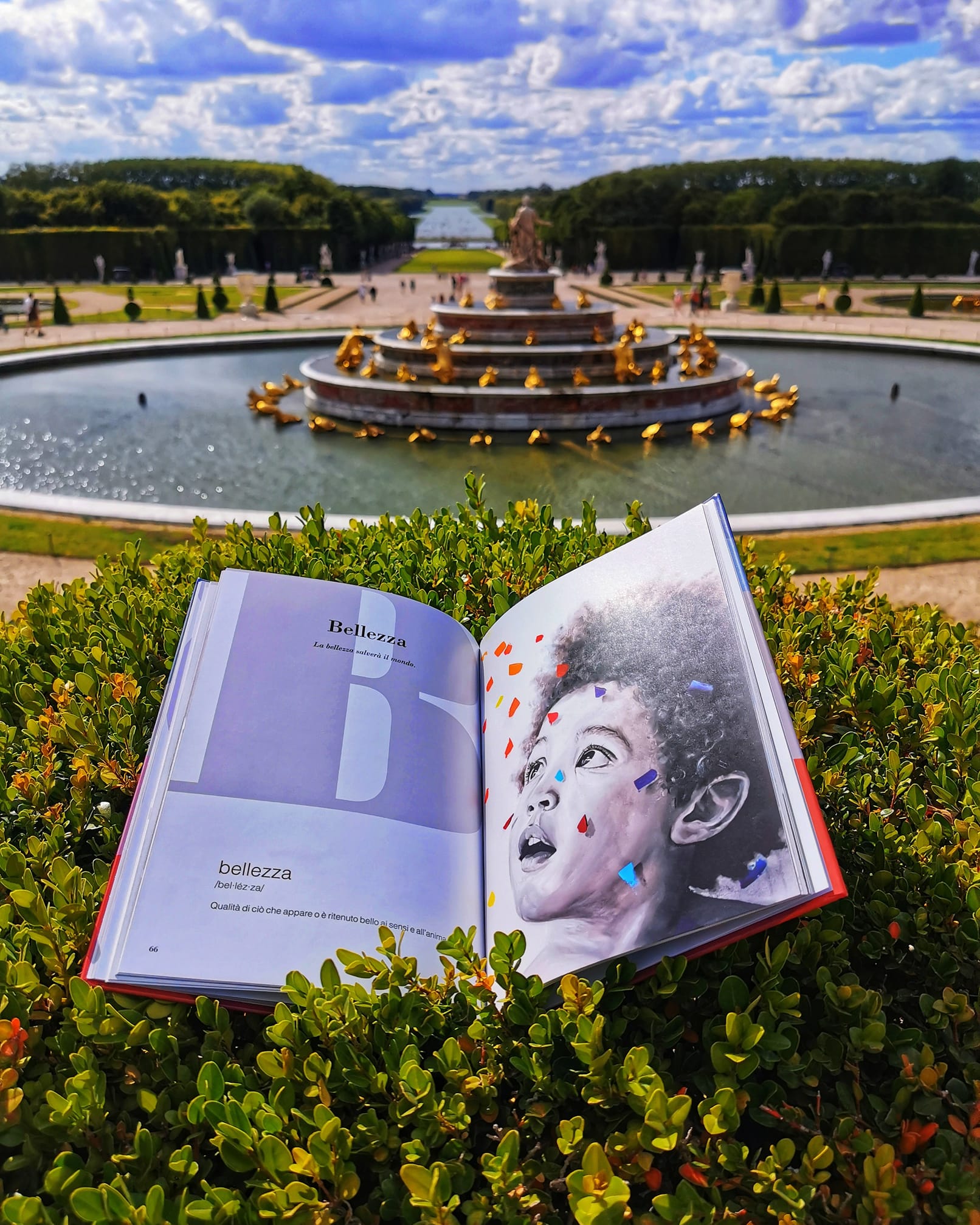
It’s a strange year. While I try not to be overwhelmed by the negative news coming from the world, the idea begins to sprout within me: creating a book about words that do good. Why?
Along the long path of our evolution, we have made many discoveries: some essential, like fire; some useful, like the wheel and penicillin; and others far less helpful, if not truly terrible, like the atomic bomb.
In our quest to satisfy our needs, to find happiness, and to reach hypothetical perfection, we have made giant leaps — and never stopped: industries, science and technology, large houses, skyscrapers, every kind of comfort. We’ve become so accustomed to moving fast that stopping seems almost impossible. Isn’t that true?
When was the last time you stopped to give yourself the right breath?
When was the last time you stopped to listen to the Earth?
When was the last time we stopped to truly listen to one another?